- android.gs
- Compare
- Galaxy S9+ vs Xperia XA2
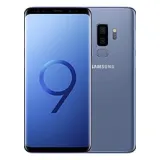
Samsung Galaxy S9+ vs Sony Xperia XA2
What Galaxy S9+ does better (22) and where Xperia XA2 wins (3) — every spec side by side.
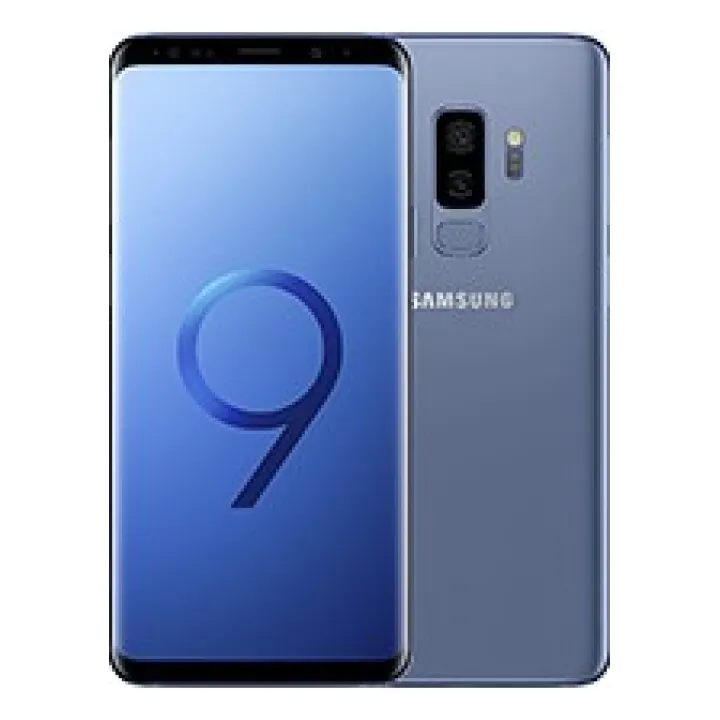
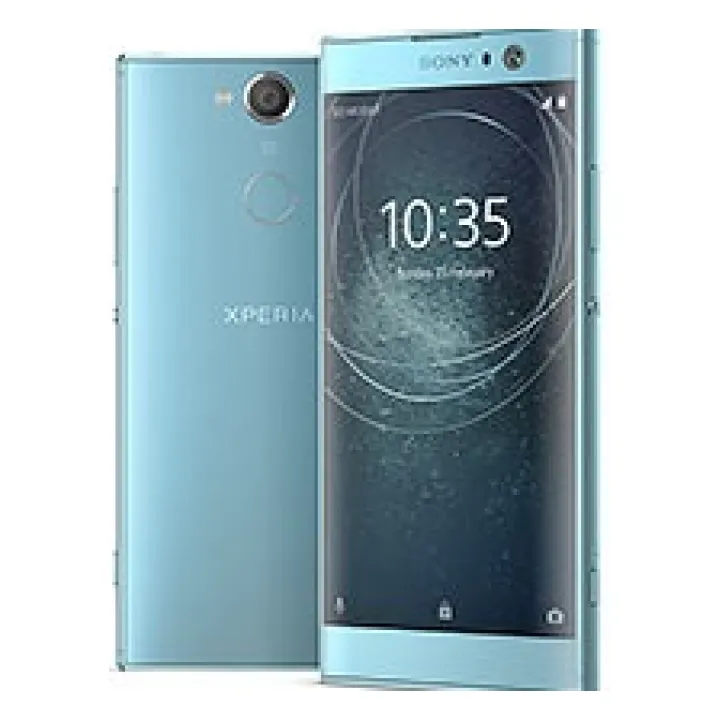
vs
6.8Display4.1
4.6Performance4.0
7.4Camera5.0
3.1Battery2.7
8.5Features5.7
Dimensions
Size comparison
Galaxy S9+Xperia XA2
| Galaxy S9+ | Xperia XA2 | Difference | |
|---|---|---|---|
| Height | 158.1 mm | 142 mm | +16.1 mm |
| Width | 73.8 mm | 70 mm | +3.8 mm |
| Thickness | 8.5 mm | 9.7 mm | −1.2 mm |
| Weight | 189 g | 171 g | +18 g |
Drawn to the same scale from the official dimensions (front and side).
Why is Galaxy S9+ better than Xperia XA2?
- Geekbench 6 (multi-core)8,883 vs 4,2152.1×
- RAM6 GB vs 3 GB2×
- Storage (max)256 GB vs 32 GB8×
- OLED panelYes · Xperia XA2: No
- Optical stabilisationYes · Xperia XA2: No
- Telephoto cameraYes · Xperia XA2: No
- Wireless chargingYes · Xperia XA2: No
- Stereo speakersYes · Xperia XA2: No
- Battery capacity3,500 mAh vs 3,300 mAh+6%
- CPU frequency2.8 GHz vs 2.2 GHz+27%
- Pixel density529 ppi vs 424 ppi+25%
- Storage (base)64 GB vs 32 GB2×
Why is Xperia XA2 better than Galaxy S9+?
- Main camera12 MP vs 23 MP+92%
- Wired charging15 W vs 18 W+20%
- Weight189 g vs 171 g+11%
Specifications
Side by side
| Design | ||
| Weight | 189 g | 171 g |
| Thickness | 8.5 mm | 9.7 mm |
| Height | 158.1 mm | 142 mm |
| Width | 73.8 mm | 70 mm |
| Frame | Aluminium | Aluminium |
| Back | Glass | Plastic |
| Ingress protection | IP68 | — |
| Water resistance (IPx) | IPx8 | — |
| Glass protection | Corning Gorilla Glass 5 | Corning Gorilla Glass 4 |
| Colours | Midnight Black, Coral Blue, Titanium Gray, Lilac Purple, Burgundy Red, Sunrise Gold, Ice Blue, Polaris Blue | Silver, Black, Blue, Pink |
| Display | ||
| Screen size | 6.2″ | 5.2″ |
| Panel | Super AMOLED | IPS LCD |
| OLED panel | Yes | No |
| Resolution (width) | 1,440 px | 1,080 px |
| Resolution (height) | 2,960 px | 1,920 px |
| Pixel density | 529 ppi | 424 ppi |
| Refresh rate | 60 Hz | 60 Hz |
| Screen-to-body ratio | 84.2% | 75% |
| HDR | Yes | — |
| Performance | ||
| Chipset | Exynos 9810 - EMEA | Qualcomm SDM630 Snapdragon 630 |
| Chip maker | Qualcomm | Qualcomm |
| Process | 10 nm | 14 nm |
| CPU cores | 8 | 8 |
| CPU frequency | 2.8 GHz | 2.2 GHz |
| GPU | Mali-G72 MP18 - EMEA Adreno 630 - USA/LATAM, China | Adreno 508 |
| AnTuTu score | 246,660 | — |
| Geekbench 6 (multi-core) | 8,883 | 4,215 |
| Memory | ||
| RAM | 6 GB | 3 GB |
| Storage (max) | 256 GB | 32 GB |
| Storage (base) | 64 GB | 32 GB |
| Storage type | UFS 2.1 | — |
| Memory card slot | Yes | Yes |
| Camera | ||
| Main camera | 12 MP | 23 MP |
| Main camera aperture | f/1.5 | f/2 |
| Main sensor size | 1/2.55" | 1/2.3" |
| Rear cameras | 2 | 1 |
| Optical stabilisation | Yes | No |
| Ultra-wide camera | No | No |
| Telephoto camera | Yes | No |
| Optical zoom | 2× | — |
| Max video | 4K | 4K |
| 4K video frame rate | 60 fps | 30 fps |
| Selfie camera | 8 MP | 8 MP |
| 4K selfie video | No | No |
| Battery | ||
| Battery capacity | 3,500 mAh | 3,300 mAh |
| Battery type | Li-Ion | Li-Ion |
| Wired charging | 15 W | 18 W |
| Wireless charging | Yes | No |
| Connectivity | ||
| eSIM | No | No |
| Dual SIM | Yes | Yes |
| Wi-Fi standard | Wi-Fi 5 | Wi-Fi 4 |
| Bluetooth | 5 | 5 |
| NFC | Yes | Yes |
| USB | USB Type-C 3.1 | USB Type-C 2.0 |
| USB version | 3.1 | 2 |
| Satellite navigation | GLONASS, GALILEO, BDS | GLONASS |
| Features | ||
| Stereo speakers | Yes | No |
| 3.5 mm headphone jack | Yes | Yes |
| Fingerprint sensor | — | Rear |
| Barometer | Yes | — |
| Sensors | Iris scanner, fingerprint (rear-mounted), accelerometer, gyro, proximity, compass, barometer, heart rate, SpO2 | Fingerprint (rear-mounted), accelerometer, proximity, compass |
| SAR (head) | 0.29 W/kg | — |
| SAR body (ANFR test) | 1.04 W/kg | — |
| SAR body test distance (ANFR) | 5 mm | — |
| Passed ANFR SAR check | Yes | — |
| ANFR SAR check (year) | 2018 | — |
| Software | ||
| OS at launch | Android 8.0 (Oreo) | Android 8.0 (Oreo) |
| Platform | Android | Android |
| Interface | One UI 2.5 | — |