- android.gs
- Compare
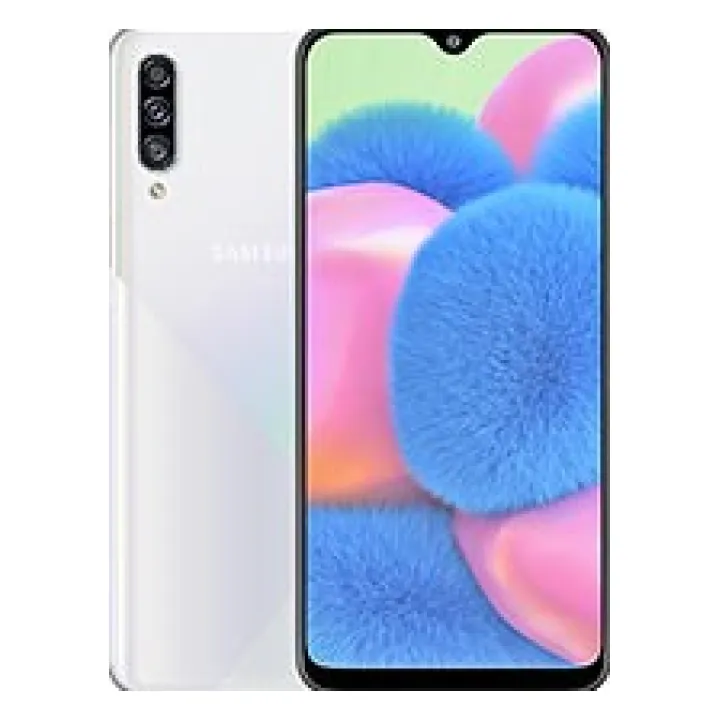
- P30 vs Galaxy A30s
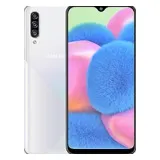
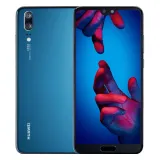
Huawei P30 vs Samsung Galaxy A30s
What P30 does better (16) and where Galaxy A30s wins (3) — every spec side by side.
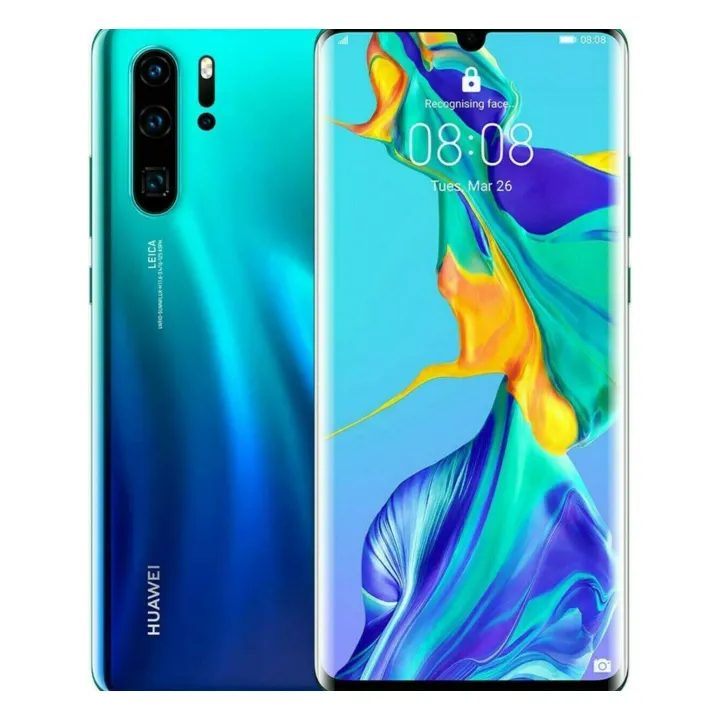
vs
6.4Display5.3
8.0Camera6.0
3.1Battery2.7
4.3Features6.7
Dimensions
Size comparison
P30Galaxy A30s
| P30 | Galaxy A30s | Difference | |
|---|---|---|---|
| Height | 149.1 mm | 158.5 mm | −9.4 mm |
| Width | 71.4 mm | 74.7 mm | −3.3 mm |
| Thickness | 7.6 mm | 7.8 mm | −0.2 mm |
| Weight | 165 g | 169 g | −4 g |
Drawn to the same scale from the official dimensions (front and side).
Why is P30 better than Galaxy A30s?
- RAM8 GB vs 4 GB2×
- Main camera40 MP vs 25 MP+60%
- Wired charging22 W vs 15 W+50%
- Storage (max)256 GB vs 128 GB2×
- Telephoto cameraYes · Galaxy A30s: No
- Pixel density422 ppi vs 268 ppi+57%
- CPU frequency2.6 GHz vs 1.8 GHz+44%
- Process7 nm vs 14 nm2×
- Storage (base)64 GB vs 32 GB2×
- Max video4K vs 1080p
- Selfie camera32 MP vs 16 MP2×
- Weight165 g vs 169 g+2%
Why is Galaxy A30s better than P30?
- Battery capacity3,650 mAh vs 4,000 mAh+10%
- Screen size6.1″ vs 6.4″+5%
- Main camera aperturef/1.8 vs f/1.7+6%
Specifications
Side by side
| Design | ||
| Weight | 165 g | 169 g |
| Thickness | 7.6 mm | 7.8 mm |
| Height | 149.1 mm | 158.5 mm |
| Width | 71.4 mm | 74.7 mm |
| Frame | Aluminium | Plastic |
| Back | Glass | Plastic |
| Ingress protection | IP53 | — |
| Water resistance (IPx) | IPx3 | — |
| Glass protection | Corning Gorilla Glass 6 | — |
| Colours | Aurora, Amber Sunrise, Breathing Crystal, Black, Pearl White | Prism Crush Black, Prism Crush White, Prism Crush Green, Prism Crush Violet2 |
| Display | ||
| Screen size | 6.1″ | 6.4″ |
| Panel | OLED | Super AMOLED |
| OLED panel | Yes | Yes |
| Resolution (width) | 1,080 px | 720 px |
| Resolution (height) | 2,340 px | 1,560 px |
| Pixel density | 422 ppi | 268 ppi |
| Refresh rate | 60 Hz | 60 Hz |
| Measured brightness | 635 nits | — |
| Screen-to-body ratio | 85.8% | 84.9% |
| HDR | Yes | — |
| Performance | ||
| Chipset | Kirin 980 | Exynos 7904 |
| Chip maker | Kirin | Exynos |
| Process | 7 nm | 14 nm |
| CPU cores | 8 | 8 |
| CPU frequency | 2.6 GHz | 1.8 GHz |
| GPU | Mali-G76 MP10 | Mali-G71 MP2 |
| AnTuTu score | 314,595 | — |
| Geekbench 6 (multi-core) | 10,114 | — |
| 3DMark Wild Life Extreme | 675 | — |
| Memory | ||
| RAM | 8 GB | 4 GB |
| Storage (max) | 256 GB | 128 GB |
| Storage (base) | 64 GB | 32 GB |
| Storage type | UFS 2.1 | eMMC 5.1 |
| Memory card slot | Yes | Yes |
| Camera | ||
| Main camera | 40 MP | 25 MP |
| Main camera aperture | f/1.8 | f/1.7 |
| Main sensor size | 1/1.7" | — |
| Rear cameras | 3 | 2 |
| Optical stabilisation | No | No |
| Ultra-wide camera | Yes | Yes |
| Telephoto camera | Yes | No |
| Optical zoom | 3× | — |
| Max video | 4K | 1080p |
| 4K video frame rate | 30 fps | — |
| Selfie camera | 32 MP | 16 MP |
| 4K selfie video | No | No |
| Battery | ||
| Battery capacity | 3,650 mAh | 4,000 mAh |
| Battery type | Li-Po | Li-Po |
| Wired charging | 22 W | 15 W |
| Charged in 30 min | 70% | — |
| Wireless charging | No | No |
| Connectivity | ||
| 5G | No | — |
| eSIM | No | No |
| Dual SIM | Yes | Yes |
| Wi-Fi standard | Wi-Fi 5 | Wi-Fi 5 |
| Bluetooth | 5 | 5 |
| NFC | Yes | Yes |
| USB | USB Type-C 3.1 | USB Type-C 2.0 |
| USB version | 3.1 | 2 |
| Dual-band GPS | Yes | — |
| Satellite navigation | GLONASS, GALILEO, BDS, QZSS | GLONASS, GALILEO, BDS |
| Features | ||
| Stereo speakers | No | No |
| 3.5 mm headphone jack | Yes | Yes |
| Fingerprint sensor | Under display | Under display |
| Barometer | Yes | — |
| Sensors | Fingerprint (under display, optical), accelerometer, gyro, proximity, compass | Fingerprint (under display, optical), accelerometer, gyro, proximity, compass |
| SAR (head) | 0.33 W/kg | 1.05 W/kg |
| SAR body (ANFR test) | 0.57 W/kg | — |
| SAR body test distance (ANFR) | 5 mm | — |
| SAR limbs (ANFR test) | 1.66 W/kg | — |
| Passed ANFR SAR check | Yes | — |
| ANFR SAR check (year) | 2020 | — |
| Software | ||
| OS at launch | Android 9.0 (Pie) | Android 9.0 (Pie) |
| Platform | Android | Android |
| Interface | EMUI 10 | One UI 3.1 |