- android.gs
- Compare
- nova 16s vs A7 Pro Max
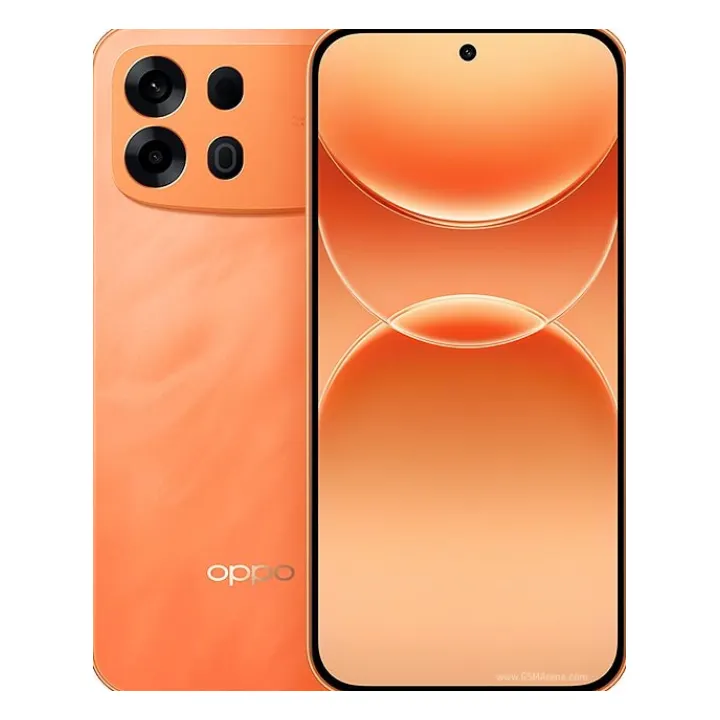
Huawei nova 16s vs OPPO A7 Pro Max
What nova 16s does better (13) and where A7 Pro Max wins (5) — every spec side by side.
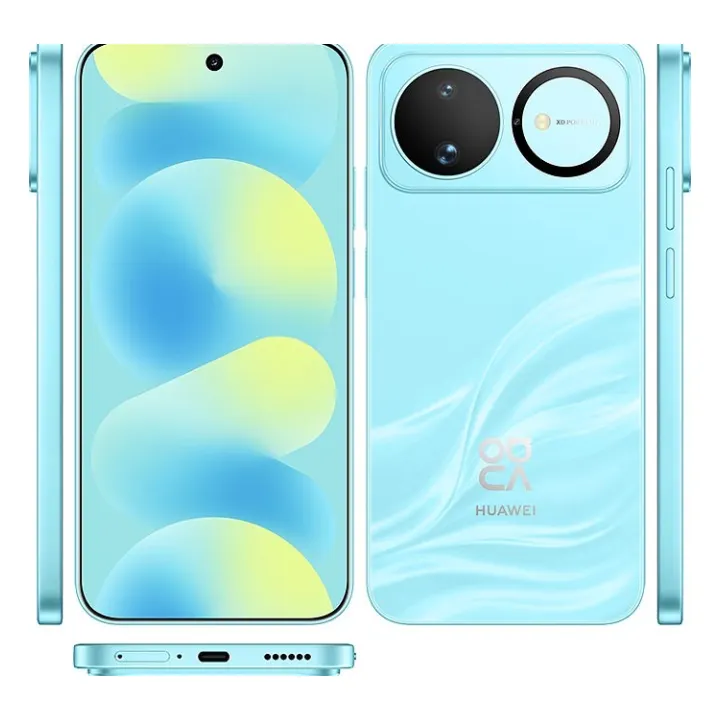
vs
8.7Display9.4
8.3Camera7.8
9.4Battery9.5
8.3Features8.4
Dimensions
Size comparison
nova 16sA7 Pro Max
| nova 16s | A7 Pro Max | Difference | |
|---|---|---|---|
| Height | 159.6 mm | 163 mm | −3.4 mm |
| Width | 75.5 mm | 78 mm | −2.5 mm |
| Thickness | 7.3 mm | 8.6 mm | −1.3 mm |
| Weight | 199 g | 224 g | −25 g |
Drawn to the same scale from the official dimensions (front and side).
Why is nova 16s better than A7 Pro Max?
- Telephoto cameraYes · A7 Pro Max: No
- Stereo speakersYes · A7 Pro Max: No
- Wired charging100 W vs 80 W+25%
- Storage (base)256 GB vs 128 GB2×
- Rear cameras2 vs 12×
- Max video4K vs 1080p
- 4K selfie videoYes · A7 Pro Max: No
- Weight199 g vs 224 g+13%
- Pixel density461 ppi vs 450 ppi+2%
- Wi-Fi standardWi-Fi 7 vs Wi-Fi 5+40%
- Thickness7.3 mm vs 8.6 mm+18%
- Bluetooth6 vs 5.1+18%
Why is A7 Pro Max better than nova 16s?
- Battery capacity7,000 mAh vs 10,000 mAh+43%
- Optical stabilisationNo · nova 16s: Yes
- Water resistance (IPx)IPx5 vs IPx8+60%
- eSIMNo · nova 16s: Yes
- Main camera aperturef/1.9 vs f/1.8+6%
Specifications
Side by side
| Design | ||
| Weight | 199 g | 224 g |
| Thickness | 7.3 mm | 8.6 mm |
| Height | 159.6 mm | 163 mm |
| Width | 75.5 mm | 78 mm |
| Frame | Plastic | Plastic |
| Back | Aluminium | Plastic |
| Ingress protection | IP65 | IP68 |
| Water resistance (IPx) | IPx5 | IPx8 |
| Glass protection | Aluminosilicate glass | — |
| Colours | Black, White, Blue/Pink, Blue | Lunar Black, Surfing Blue, Orange |
| Display | ||
| Screen size | 6.7″ | 6.8″ |
| Panel | OLED | AMOLED |
| OLED panel | Yes | Yes |
| Resolution (width) | 1,280 px | 1,272 px |
| Resolution (height) | 2,800 px | 2,772 px |
| Pixel density | 461 ppi | 450 ppi |
| Refresh rate | 120 Hz | 120 Hz |
| Peak brightness | — | 1,800 nits |
| Screen-to-body ratio | 90.3% | 88.4% |
| HDR | Yes | — |
| Performance | ||
| Chipset | Kirin 8020 | Qualcomm Snapdragon 4 Gen 5 |
| Chip maker | Kirin | Qualcomm |
| Process | — | 4 nm |
| CPU cores | — | 8 |
| CPU frequency | — | 2.4 GHz |
| GPU | — | Adreno 613 |
| AnTuTu score | — | 652,054 |
| Geekbench 6 (multi-core) | — | 2,250 |
| Memory | ||
| RAM | 12 GB | 12 GB |
| Storage (max) | 512 GB | 512 GB |
| Storage (base) | 256 GB | 128 GB |
| Storage type | — | UFS 3.1 |
| Memory card slot | No | No |
| Camera | ||
| Main camera | 50 MP | 50 MP |
| Main camera aperture | f/1.9 | f/1.8 |
| Main sensor size | 1/1.56" | 1/2.0" |
| Rear cameras | 2 | 1 |
| Optical stabilisation | No | Yes |
| Ultra-wide camera | No | No |
| Telephoto camera | Yes | No |
| Optical zoom | 3.3× | — |
| Max video | 4K | 1080p |
| Selfie camera | 50 MP | 50 MP |
| 4K selfie video | Yes | No |
| Battery | ||
| Battery capacity | 7,000 mAh | 10,000 mAh |
| Battery type | — | Si/C |
| Wired charging | 100 W | 80 W |
| Wireless charging | No | No |
| Connectivity | ||
| 5G | Yes | Yes |
| eSIM | No | Yes |
| Dual SIM | Yes | Yes |
| Wi-Fi standard | Wi-Fi 7 | Wi-Fi 5 |
| Bluetooth | 6 | 5.1 |
| NFC | Yes | Yes |
| USB | USB Type-C 2.0 | USB Type-C 2.0 |
| USB version | 2 | 2 |
| Infrared port | — | Yes |
| Dual-band GPS | Yes | — |
| Satellite navigation | GLONASS, GALILEO, BDS, QZSS, NavIC | GLONASS, GALILEO, BDS, QZSS |
| Features | ||
| Stereo speakers | Yes | No |
| 3.5 mm headphone jack | No | No |
| Fingerprint sensor | Side | Under display |
| Sensors | Fingerprint (side-mounted), accelerometer, gyro, compass | Fingerprint (under display, optical), accelerometer, gyro, proximity, compass |
| Software | ||
| OS at launch | EMUI 16 | Android 16 |
| Platform | Android | Android |
| Interface | — | ColorOS 16 |