- android.gs
- Compare
- Play 80 Pro vs Redmi Note 15
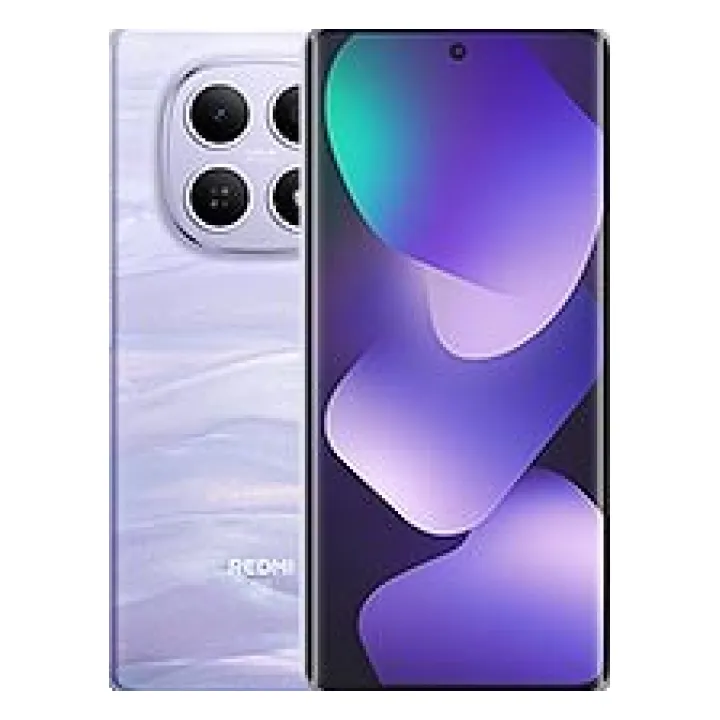
Honor Play 80 Pro vs Xiaomi Redmi Note 15
What Play 80 Pro does better (2) and where Redmi Note 15 wins (19) — every spec side by side.
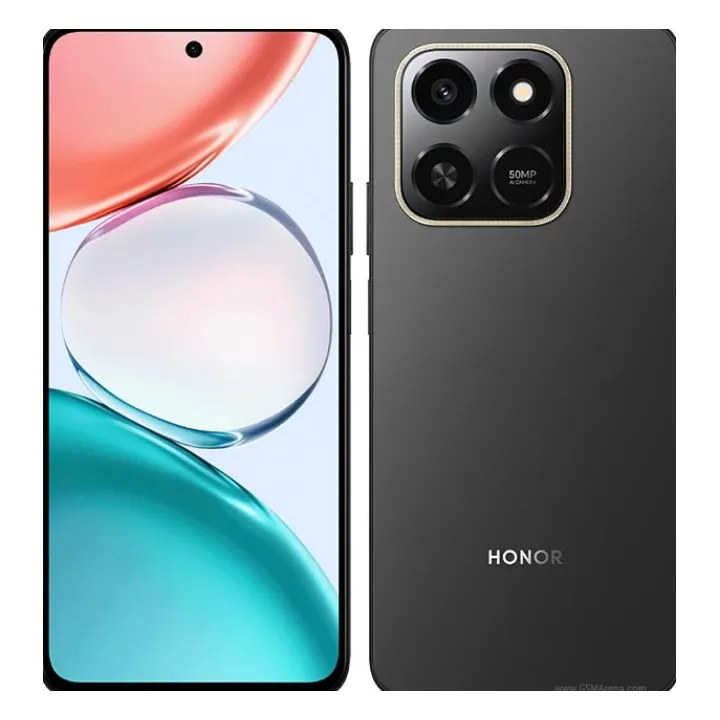
vs
6.3Display8.5
4.1Camera8.6
8.8Battery7.6
7.4Features7.7
Dimensions
Size comparison
Play 80 ProRedmi Note 15
| Play 80 Pro | Redmi Note 15 | Difference | |
|---|---|---|---|
| Height | 166.9 mm | 164 mm | +2.9 mm |
| Width | 76.8 mm | 75.4 mm | +1.4 mm |
| Thickness | 8.2 mm | 7.4 mm | +0.8 mm |
| Weight | 207 g | 178 g | +29 g |
Drawn to the same scale from the official dimensions (front and side).
Why is Play 80 Pro better than Redmi Note 15?
- Battery capacity7,000 mAh vs 5,520 mAh+27%
- Storage (base)256 GB vs 128 GB2×
Why is Redmi Note 15 better than Play 80 Pro?
- Main camera50 MP vs 108 MP2.2×
- Peak brightness850 nits vs 3,200 nits3.8×
- OLED panelNo · Play 80 Pro: Yes
- Storage (max)256 GB vs 512 GB2×
- Optical stabilisationNo · Play 80 Pro: Yes
- Pixel density259 ppi vs 388 ppi+50%
- Selfie camera5 MP vs 20 MP4×
- Memory card slotNo · Play 80 Pro: Yes
- Rear cameras1 vs 22×
- Ultra-wide cameraNo · Play 80 Pro: Yes
- Max video1080p vs 4K
- Water resistance (IPx)IPx5 vs IPx6+20%
Specifications
Side by side
| Design | ||
| Weight | 207 g | 178 g |
| Thickness | 8.2 mm | 7.4 mm |
| Height | 166.9 mm | 164 mm |
| Width | 76.8 mm | 75.4 mm |
| Frame | — | Plastic |
| Back | — | Plastic |
| Ingress protection | IP65 | IP66 |
| Water resistance (IPx) | IPx5 | IPx6 |
| Glass protection | Aluminosilicate glass | Scratch/drop-resistant glass |
| Colours | Black, White, Azure | Black, Glacier Blue, Mist Purple |
| Display | ||
| Screen size | 6.8″ | 6.8″ |
| Panel | TFT LCD | AMOLED |
| OLED panel | No | Yes |
| Resolution (width) | 720 px | 1,080 px |
| Resolution (height) | 1,610 px | 2,392 px |
| Pixel density | 259 ppi | 388 ppi |
| Refresh rate | 120 Hz | 120 Hz |
| Peak brightness | 850 nits | 3,200 nits |
| Measured brightness | — | 1,524 nits |
| Screen-to-body ratio | 86.7% | 89.7% |
| HDR | — | Yes |
| Performance | ||
| Chipset | Qualcomm SM6375 Snapdragon 6s Gen 3 | Qualcomm SM6475-AB Snapdragon 6 Gen 3 |
| Chip maker | Qualcomm | Qualcomm |
| Process | 6 nm | 4 nm |
| CPU cores | 8 | 8 |
| CPU frequency | 2.3 GHz | 2.4 GHz |
| GPU | Adreno 619 | Adreno 710 |
| AnTuTu score | — | 637,266 |
| Geekbench 6 (multi-core) | — | 2,958 |
| 3DMark Wild Life Extreme | — | 861 |
| Memory | ||
| RAM | 12 GB | 12 GB |
| Storage (max) | 256 GB | 512 GB |
| Storage (base) | 256 GB | 128 GB |
| Storage type | — | UFS 2.2 |
| Memory card slot | No | Yes |
| Camera | ||
| Main camera | 50 MP | 108 MP |
| Main camera aperture | f/1.8 | f/1.7 |
| Main sensor size | — | 1/1.67" |
| Rear cameras | 1 | 2 |
| Optical stabilisation | No | Yes |
| Ultra-wide camera | No | Yes |
| Telephoto camera | No | No |
| Max video | 1080p | 4K |
| 4K video frame rate | — | 30 fps |
| Selfie camera | 5 MP | 20 MP |
| 4K selfie video | No | No |
| Battery | ||
| Battery capacity | 7,000 mAh | 5,520 mAh |
| Battery type | Li-Po | Si/C |
| Active use (test) | — | 14.2 h |
| Wired charging | 45 W | 45 W |
| Wireless charging | No | No |
| Connectivity | ||
| 5G | Yes | Yes |
| eSIM | No | No |
| Dual SIM | Yes | Yes |
| Wi-Fi standard | Wi-Fi 5 | Wi-Fi 5 |
| Bluetooth | 5.1 | 5.1 |
| NFC | Yes | Yes |
| USB | USB Type-C 2.0 | USB Type-C 2.0 |
| USB version | 2 | 2 |
| Satellite navigation | GLONASS, GALILEO, BDS | GLONASS, GALILEO, BDS |
| Features | ||
| Stereo speakers | Yes | Yes |
| 3.5 mm headphone jack | No | No |
| Loudspeaker loudness | — | -23.4 LUFS |
| Fingerprint sensor | Side | Under display |
| Sensors | Fingerprint (side-mounted), accelerometer, proximity, compass | Fingerprint (under display, optical), accelerometer, gyro, compass |
| SAR (head) | — | 1 W/kg |
| Software | ||
| OS at launch | Android 15 | Android 15 |
| Platform | Android | Android |
| Interface | — | HyperOS 2 |
| Major OS updates promised | — | 4 |
| EU label | ||
| Energy class | — | B |
| Battery charge cycles | — | 1,000 |
| Endurance per cycle | — | 51 h |
| Repairability class | — | C |
| Drop resistance class | — | A |
Related comparisons
 vs
 Xiaomi Redmi Note 14 4GvsXiaomi Redmi Note 157.38.6
 vsXiaomi Redmi Note 14 5GvsXiaomi Redmi Note 157.78.6
 vsSamsung Galaxy A37vsXiaomi Redmi Note 158.68.6vs
 Xiaomi Redmi Note 15vsTecno Camon 50 4G8.68.5vs
 Xiaomi Redmi Note 15vsTecno Pova Curve 28.68.7vs
 Xiaomi Redmi Note 15vsTecno Camon 50 Pro 4G8.68.6