- android.gs
- Compare
- Aurora A30 vs Galaxy F36
Doro Aurora A30 vs Samsung Galaxy F36
What Aurora A30 does better (0) and where Galaxy F36 wins (18) — every spec side by side.
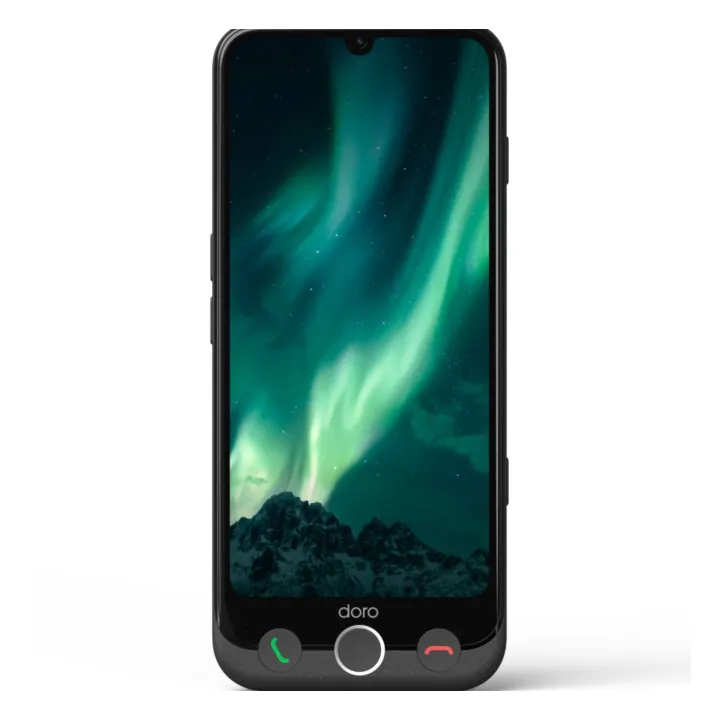
vs
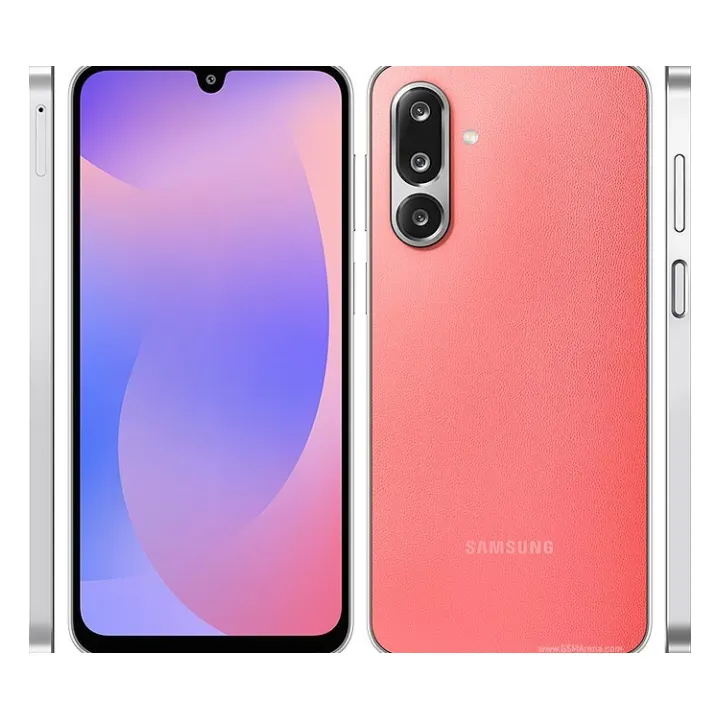
3.0Display8.1
4.2Camera8.0
3.5Battery5.3
3.2Features8.5
Dimensions
Size comparison
Aurora A30Galaxy F36
| Aurora A30 | Galaxy F36 | Difference | |
|---|---|---|---|
| Height | 170 mm | 164.4 mm | +5.6 mm |
| Width | 75 mm | 77.9 mm | −2.9 mm |
| Thickness | 11 mm | 7.7 mm | +3.3 mm |
| Weight | 207 g | 197 g | +10 g |
Drawn to the same scale from the official dimensions (front and side).
Why is Aurora A30 better than Galaxy F36?
Aurora A30 has no measurable advantages in this pair.
Why is Galaxy F36 better than Aurora A30?
- Wired charging10 W vs 25 W2.5×
- Refresh rate60 Hz vs 120 Hz2×
- OLED panelNo · Aurora A30: Yes
- Storage (max)128 GB vs 256 GB2×
- Optical stabilisationNo · Aurora A30: Yes
- 5GNo · Aurora A30: Yes
- NFCNo · Aurora A30: Yes
- RAM6 GB vs 8 GB+33%
- Selfie camera5 MP vs 13 MP2.6×
- Pixel density282 ppi vs 387 ppi+37%
- Ultra-wide cameraNo · Aurora A30: Yes
- CPU frequency2 GHz vs 2.4 GHz+20%
Specifications
Side by side
| Design | ||
| Weight | 207 g | 197 g |
| Thickness | 11 mm | 7.7 mm |
| Height | 170 mm | 164.4 mm |
| Width | 75 mm | 77.9 mm |
| Frame | — | Plastic |
| Back | — | Silicone polymer |
| Ingress protection | IP54 | — |
| Water resistance (IPx) | IPx4 | — |
| Glass protection | — | Corning Gorilla Glass Victus+ |
| Colours | Black, White | Luxe Violet, Coral Red, Onyx Black |
| Display | ||
| Screen size | 6.1″ | 6.7″ |
| Panel | IPS | Super AMOLED |
| OLED panel | No | Yes |
| Resolution (width) | 720 px | 1,080 px |
| Resolution (height) | 1,560 px | 2,340 px |
| Pixel density | 282 ppi | 387 ppi |
| Refresh rate | 60 Hz | 120 Hz |
| Screen-to-body ratio | 71.6% | 85.2% |
| Performance | ||
| Chipset | Mediatek Helio G85 | Exynos 1380 |
| Chip maker | Mediatek | Exynos |
| Process | — | 5 nm |
| CPU cores | 8 | 8 |
| CPU frequency | 2 GHz | 2.4 GHz |
| GPU | Mail G52 MC2 | Mali-G68 MP5 |
| Memory | ||
| RAM | 6 GB | 8 GB |
| Storage (max) | 128 GB | 256 GB |
| Storage (base) | 128 GB | 128 GB |
| Memory card slot | Yes | Yes |
| Camera | ||
| Main camera | 50 MP | 50 MP |
| Main camera aperture | — | f/1.8 |
| Main sensor size | — | 1/1.96" |
| Rear cameras | 2 | 2 |
| Optical stabilisation | No | Yes |
| Ultra-wide camera | No | Yes |
| Telephoto camera | No | No |
| Max video | — | 4K |
| 4K video frame rate | — | 30 fps |
| Selfie camera | 5 MP | 13 MP |
| 4K selfie video | — | Yes |
| Battery | ||
| Battery capacity | 5,000 mAh | 5,000 mAh |
| Wired charging | 10 W | 25 W |
| Wireless charging | No | No |
| Connectivity | ||
| 5G | No | Yes |
| eSIM | No | No |
| Dual SIM | Yes | Yes |
| Wi-Fi standard | Wi-Fi 5 | Wi-Fi 6 |
| Bluetooth | 5.4 | 5.3 |
| NFC | No | Yes |
| USB | USB Type-C | USB Type-C 2.0 |
| USB version | — | 2 |
| Satellite navigation | GPS, GLONASS, GALILEO, BDS | GLONASS, GALILEO, BDS, QZSS |
| Features | ||
| Stereo speakers | No | No |
| 3.5 mm headphone jack | No | No |
| Fingerprint sensor | — | Side |
| Sensors | proximity, accelerometer, compass, hall | Fingerprint (side-mounted), accelerometer, gyro, compass |
| SAR (head) | — | 0.38 W/kg |
| Software | ||
| OS at launch | Android 14 | Android 15 |
| Platform | Android | Android |
| Interface | — | One UI 7 |
| Major OS updates promised | — | 6 |
| EU label | ||
| Energy class | B | — |
| Battery charge cycles | 1,000 | — |
| Endurance per cycle | 48 h | — |
| Repairability class | B | — |
| Drop resistance class | A | — |