- android.gs
- Compare
- Blade 10 Pro Energy vs Moto G15 Power
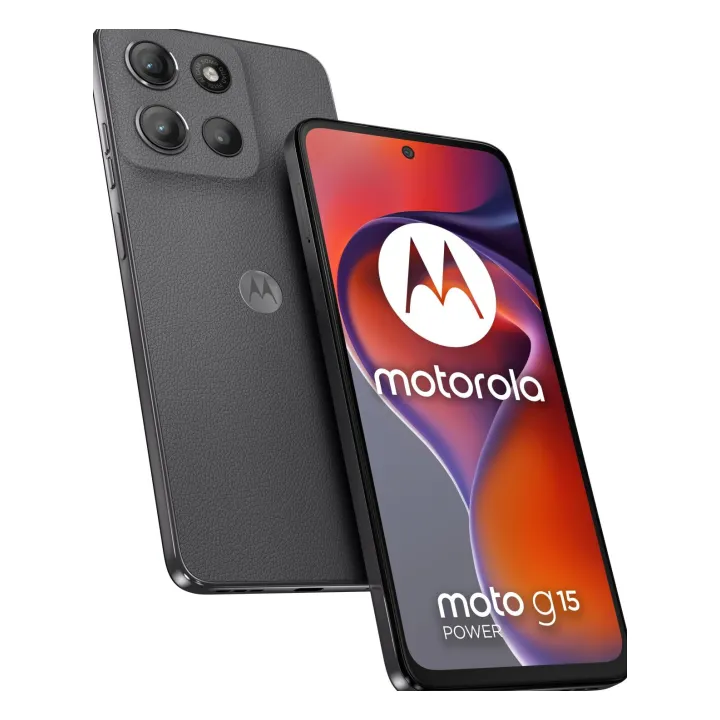
Doogee Blade 10 Pro Energy vs Motorola Moto G15 Power
What Blade 10 Pro Energy does better (4) and where Moto G15 Power wins (16) — every spec side by side.
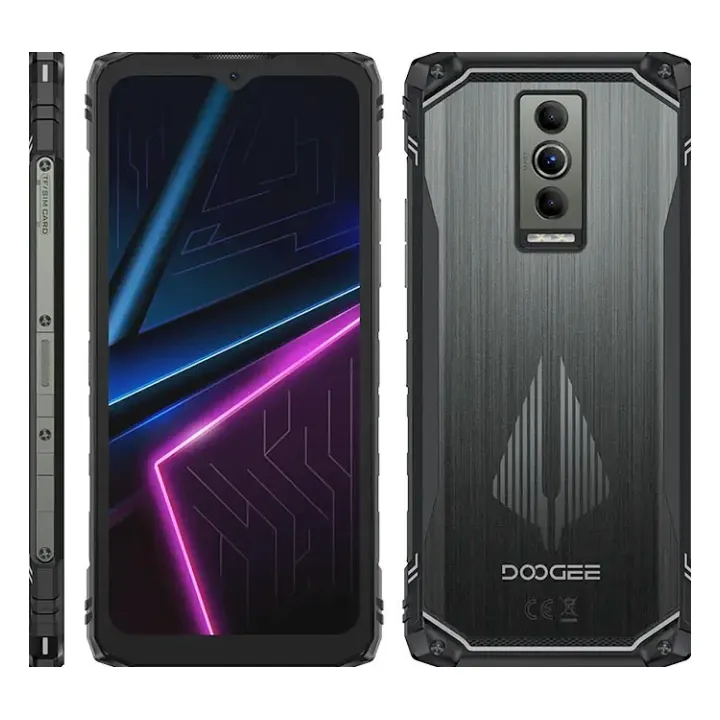
vs
4.7Display4.8
4.6Camera5.8
7.3Battery7.6
7.3Features5.5
Dimensions
Size comparison
Blade 10 Pro EnergyMoto G15 Power
| Blade 10 Pro Energy | Moto G15 Power | Difference | |
|---|---|---|---|
| Height | 172.7 mm | 165.7 mm | +7 mm |
| Width | 80 mm | 76 mm | +4 mm |
| Thickness | 10.7 mm | 8.8 mm | +1.9 mm |
| Weight | 295 g | 203 g | +92 g |
Drawn to the same scale from the official dimensions (front and side).
Why is Blade 10 Pro Energy better than Moto G15 Power?
- Refresh rate90 Hz vs 60 Hz+50%
- Water resistance (IPx)IPx8 vs IPx42×
- Battery capacity6,150 mAh vs 6,000 mAh+2%
- Drop resistance classA vs B
Why is Moto G15 Power better than Blade 10 Pro Energy?
- Wired charging18 W vs 30 W+67%
- Storage (max)256 GB vs 512 GB2×
- Stereo speakersNo · Blade 10 Pro Energy: Yes
- RAM6 GB vs 8 GB+33%
- Pixel density269 ppi vs 392 ppi+46%
- Weight295 g vs 203 g+45%
- Rear cameras1 vs 22×
- Ultra-wide cameraNo · Blade 10 Pro Energy: Yes
- 3.5 mm headphone jackNo · Blade 10 Pro Energy: Yes
- Energy classB vs A
- CPU frequency1.8 GHz vs 2 GHz+11%
- Screen size6.6″ vs 6.7″+2%
Specifications
Side by side
| Design | ||
| Weight | 295 g | 203 g |
| Thickness | 10.7 mm | 8.8 mm |
| Height | 172.7 mm | 165.7 mm |
| Width | 80 mm | 76 mm |
| Frame | — | Plastic |
| Back | — | Silicone polymer |
| Ingress protection | IP68 | IP54 |
| Water resistance (IPx) | IPx8 | IPx4 |
| Glass protection | — | Corning Gorilla Glass 3 |
| Colours | Black, Red/Silver, Gray/Black, Tarnish | Gravity Grey, Iguana Green |
| Display | ||
| Screen size | 6.6″ | 6.7″ |
| Panel | IPS LCD | IPS LCD |
| OLED panel | No | No |
| Resolution (width) | 720 px | 1,080 px |
| Resolution (height) | 1,612 px | 2,400 px |
| Pixel density | 269 ppi | 392 ppi |
| Refresh rate | 90 Hz | 60 Hz |
| Screen-to-body ratio | 74.8% | 86.6% |
| Performance | ||
| Chipset | Unisoc T7250 | Mediatek Helio G81 Extreme |
| Chip maker | Unisoc | MediaTek |
| Process | 12 nm | 12 nm |
| CPU cores | 8 | 8 |
| CPU frequency | 1.8 GHz | 2 GHz |
| GPU | Mali-G57 MP1 | Mali-G52 MC2 |
| Memory | ||
| RAM | 6 GB | 8 GB |
| Storage (max) | 256 GB | 512 GB |
| Storage (base) | 256 GB | 256 GB |
| Memory card slot | Yes | Yes |
| Camera | ||
| Main camera | 50 MP | 50 MP |
| Main camera aperture | f/1.8 | f/1.8 |
| Rear cameras | 1 | 2 |
| Optical stabilisation | No | No |
| Ultra-wide camera | No | Yes |
| Telephoto camera | No | No |
| Max video | 1080p | 1080p |
| Selfie camera | 8 MP | 8 MP |
| 4K selfie video | No | No |
| Battery | ||
| Battery capacity | 6,150 mAh | 6,000 mAh |
| Wired charging | 18 W | 30 W |
| Wireless charging | No | No |
| Connectivity | ||
| 5G | — | No |
| eSIM | No | No |
| Dual SIM | Yes | Yes |
| Wi-Fi standard | Wi-Fi 5 | Wi-Fi 5 |
| Bluetooth | 5 | 5 |
| NFC | Yes | Yes |
| USB | USB Type-C | USB Type-C 2.0 |
| USB version | — | 2 |
| Satellite navigation | GLONASS, GALILEO, BDS | GLONASS, GALILEO, BDS, QZSS |
| Features | ||
| Stereo speakers | No | Yes |
| 3.5 mm headphone jack | No | Yes |
| Fingerprint sensor | — | Side |
| Sensors | Accelerometer, proximity, compass | Fingerprint (side-mounted), accelerometer, gyro, proximity, compass |
| Software | ||
| OS at launch | Android 15 | Android 15 |
| Platform | Android | Android |
| EU label | ||
| Energy class | B | A |
| Battery charge cycles | 1,000 | 1,000 |
| Endurance per cycle | 51 h | 62 h |
| Repairability class | B | B |
| Drop resistance class | A | B |